Exploring the Richness of Traditional Filipino Clothing; A Journey through History and Culture
- Jul 7, 2023
- 5 min read
Updated: Mar 22
The Philippines is one of the most culturally layered nations in the world — more than 7,600 islands, over 180 languages, and centuries of indigenous tradition shaped by trade, colonization, and resilience. Nowhere is this richer than in what Filipinos have worn across the ages. From the embroidered elegance of the Barong Tagalog to the vibrant beadwork of the T'boli tribe, traditional Filipino clothing is not just fabric — it is identity, memory, and pride woven together.
At UGAT, our mission is to root ourselves in that heritage and carry it forward in modern form. So let's take a deeper look at the garments that shaped Filipino dress — and explore how their spirit lives on today.
Picture taken from NationalClothing.org

Picture: Male wearing Barong Tagalog, Women wearing Baro't saya.
Filipino Clothing
1. Baro't Saya — The Dress of Filipino Womanhood
The Baro't Saya — literally "blouse and skirt" — is perhaps the most recognizable symbol of traditional Filipino women's dress. The Baro (blouse) sits over the Saya (skirt), often paired with a Panuelo (see below) draped over the shoulders. The style varies widely by region: in the Visayas, it might feature bold woven patterns, while Tagalog versions often incorporate delicate piña embroidery.
The Baro't Saya represents the meeting point of pre-colonial indigenous dress and the Spanish colonial influence that arrived in the 16th century — a story of adaptation and cultural survival. Today, you'll see it worn proudly at festivals, weddings, and cultural events across the Philippines and in the Filipino diaspora worldwide.
🛍 Shop the look: Our Women's Button Up Long Sleeve Dress and Women's Casual Long Sleeve Blouse draw from the graceful silhouette of the Baro — modern, wearable, and rooted in heritage.

2. Barong Tagalog — The National Dress of the Philippines
Considered the de facto national garment for Filipino men, the Barong Tagalog is an embroidered formal shirt traditionally made from piña (pineapple fiber) or jusi (a blend of silk and pineapple or banana fiber). Its translucent quality, delicate embroidery, and untucked silhouette set it apart from any other formal garment in the world.
The Barong Tagalog has an origin story laced with colonial history — Spanish colonizers required indigenous Filipinos to wear untucked shirts so they could be identified as lower class. Filipinos reclaimed this garment, elevated its craftsmanship to an art form, and transformed it into the highest symbol of national pride. Today, it is worn by presidents, grooms, and dignitaries at the most important occasions.
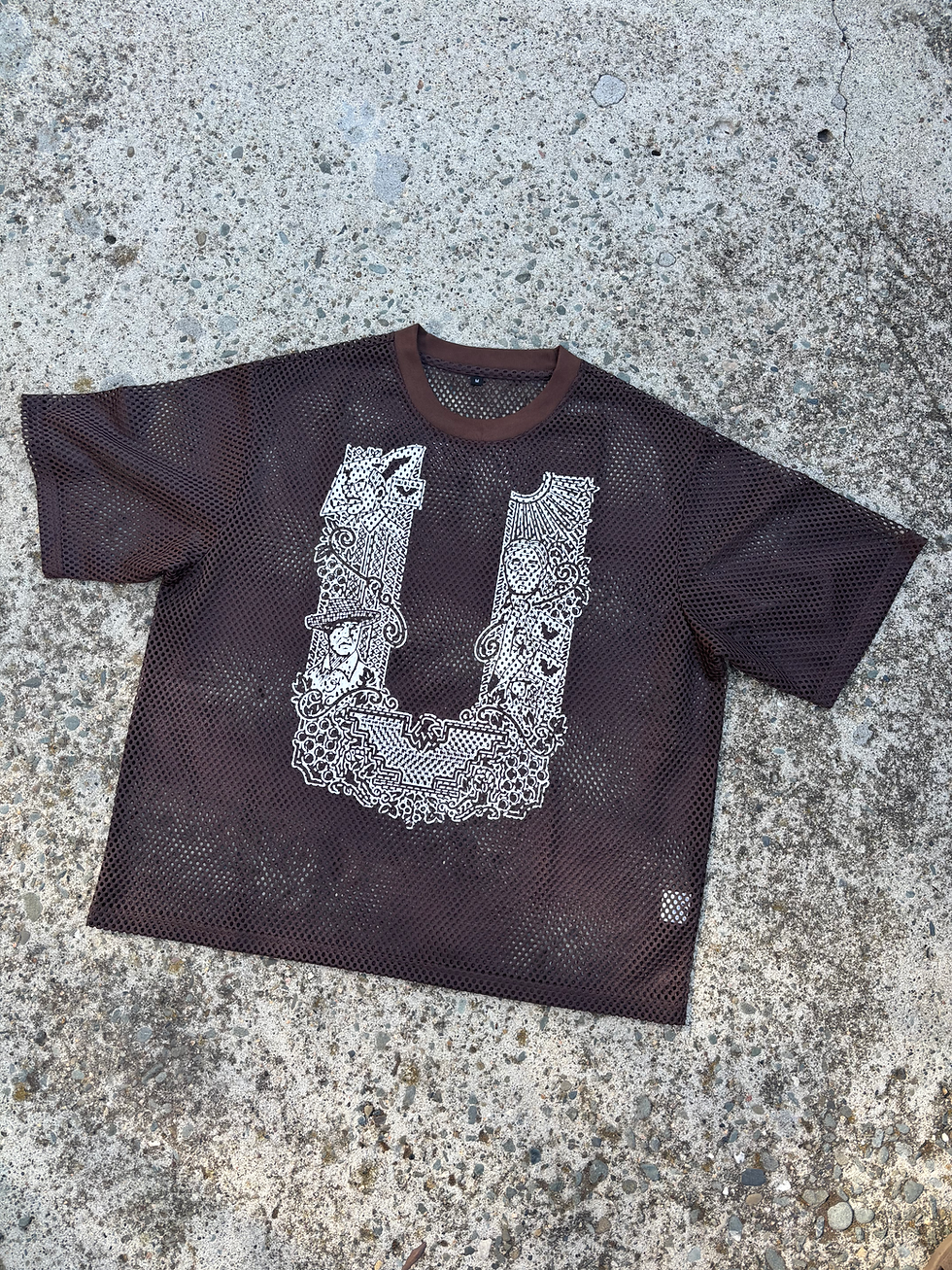
🛍 Shop the look: Our Barong Style Prints Collection reimagines the Barong aesthetic — the intricate patterns, the cultural weight — in casual long sleeves and mesh tees you can wear every day. Check out the Lapu Lapu Collared Long Sleeve Tee, the Bayani Collared Long Sleeve Tee, and the Barong Boxy Mesh Tee.
3. Lihin-Lihin & Alampay — Drapes of Grace
The Lihin-Lihin is a traditional scarf or shawl draped over women's shoulders, often featuring delicate embroidery. Its counterpart, the Alampay, is a shoulder cloth worn by both men and women — typically handwoven and used as an accessory to accent traditional attire. Both pieces speak to the Filipino sense of layering, elegance, and modesty, and both carry region-specific patterns and symbolism.

4. Camisa — Colonial Elegance Reclaimed
The Camisa is the traditional Filipino blouse with characteristic puffed sleeves and intricate embroidery. It was widely worn during the Spanish colonial era and became a canvas for Filipino women to express their artistry through needlework. The Camisa is a reminder that even imposed fashions can be transformed into cultural expression.
3. Alampay: Alampay is a traditional Filipino wrap or shoulder cloth worn by both men and women. It is typically made from handwoven fabric and used as an accessory to enhance traditional attire. Alampay adds flair and cultural significance to the overall outfit.

 |  |
Delano Manongs Collared Men's Casual Long Sleeve Tee | Delano Manongs Collared Men's Casual Long Sleeve Tee |
5. Panuelo — The Crowning Cloth
The Panuelo is a stiff triangular scarf traditionally worn to cover the shoulders or head, often made from the same fine piña or jusi fabric as the Barong. Completing the Baro't Saya ensemble, the Panuelo elevates the overall look and adds a layer of formality and cultural significance. It also serves practical purposes — protection from the sun during festivals and outdoor ceremonies.

 |  |
Bayani Collared Men's Casual Long Sleeve Tee | Bayani Collared Men's Casual Long Sleeve Tee |
6. Tapis — Igorot Weaving Tradition
The Tapis is a handwoven wraparound skirt traditionally worn by Igorot women of the Cordillera highlands in Northern Luzon. Secured at the waist with a woven belt, the Tapis is far more than clothing — each piece is a testament to the master weavers who create them, encoding community identity, status, and story into every pattern. The geometric motifs and natural dyes of Igorot weaving are among the most sophisticated in Southeast Asia.

 |  |
Barong Lapu Lapu Boxy Mesh Tee |
7. Bahag — The Loincloth of the Cordillera
The Bahag is the traditional loincloth of Igorot men. Far from being "primitive," the Bahag reflects the practicality and environmental harmony of Cordillera highland culture. Today, it remains a symbol of indigenous identity and is worn with pride at cultural celebrations like the Panagbenga Festival.

8. Kegal T'boli — Beadwork in Motion
The traditional dress of the T'boli people of South Cotabato, Mindanao is among the most visually stunning in all of Southeast Asia. The ensemble includes the Kegal Bentilas (blouse), Lewek tedeyung (skirt), beaded belts called hilet lemimet, the necklace bekelew, and the headdress sewat. Every element is crafted with extraordinary precision. The T'boli are also known for their t'nalak — a sacred dream cloth woven from abaca, whose patterns are said to be revealed to master weavers in dreams.


9. Malong & Moro Traditional Dress — Woven Identity
The Muslim Filipinos of Mindanao — the Maranao, Maguindanao, Tausug, and other Bangsamoro peoples — have their own rich sartorial tradition. The Malong is a large tubular cloth worn by both men and women in infinite ways: as a skirt, dress, prayer mat, baby carrier, or sleeping sheet. The Patadyong serves a similar multi-purpose role. Men's headdresses like the Tao-Bo or Ppis feature geometric patterns and Arabic calligraphy, uniting Islamic artistry with Filipino weaving tradition.
🛍 Explore more: The pride of Mindanao and all of the Philippines is woven throughout our Philippine Cultural Dances Collection, Bayani Collection, and Lapu Lapu Collection — each piece a celebration of the full breadth of Filipino heritage.

Why This Heritage Matters Now
For many Filipinos in the diaspora — growing up in America, Canada, Europe, and beyond — these garments are a thread back to something deeply personal. They are worn at graduation parties, fiestas, weddings, and cultural nights. They are explained to curious friends and shown to children who may never have seen the Philippines.
At UGAT, we believe that heritage doesn't have to live only in museums or formal occasions. It can be worn on a Tuesday. It can be printed on a hoodie, stitched on a tee, or carried in a tote bag. Rooted in tradition, expressed in the present — that's what we do.
"Which traditional Filipino garment resonates most with your roots? Have you ever worn a Barong Tagalog, a Baro't Saya, or a T'boli ensemble? Share your story in the comments — we'd love to hear it."
Love learning about Filipino heritage and culture? Join our community — be the first to know about new collections, blog posts, and exclusive drops inspired by Philippine history.
Comments